
What Deep House Cleaning Does That Regular Cleaning Misses
Deep house cleaning tackles the buildup that routine cleaning leaves behind. A regular clean keeps floors, counters, and bathrooms tidy. A deep clean adds detail work, such as dusting vents and ceiling fans, wiping baseboards and door frames, and removing grease or soap scum. According to the American Cleaning Institute, a thorough seasonal reset also helps reduce allergens and improve indoor air quality.
To start, clear clutter so you can reach the surfaces underneath. Then clean one room at a time, working from high surfaces down to the floor. When scheduling a professional clean, review the checklist in advance to tailor any deep cleaning add-ons to your household’s exact needs.
Deep Clean vs Regular Clean: Key Differences and Expectations
Think of your home’s hygiene routine much like your dental health: daily brushing and flossing maintain your baseline, but you still need professional scaling to remove hardened plaque. In the cleaning world, 74% of people perform light, routine cleaning most often, while only 26% undertake regular deep cleanings.
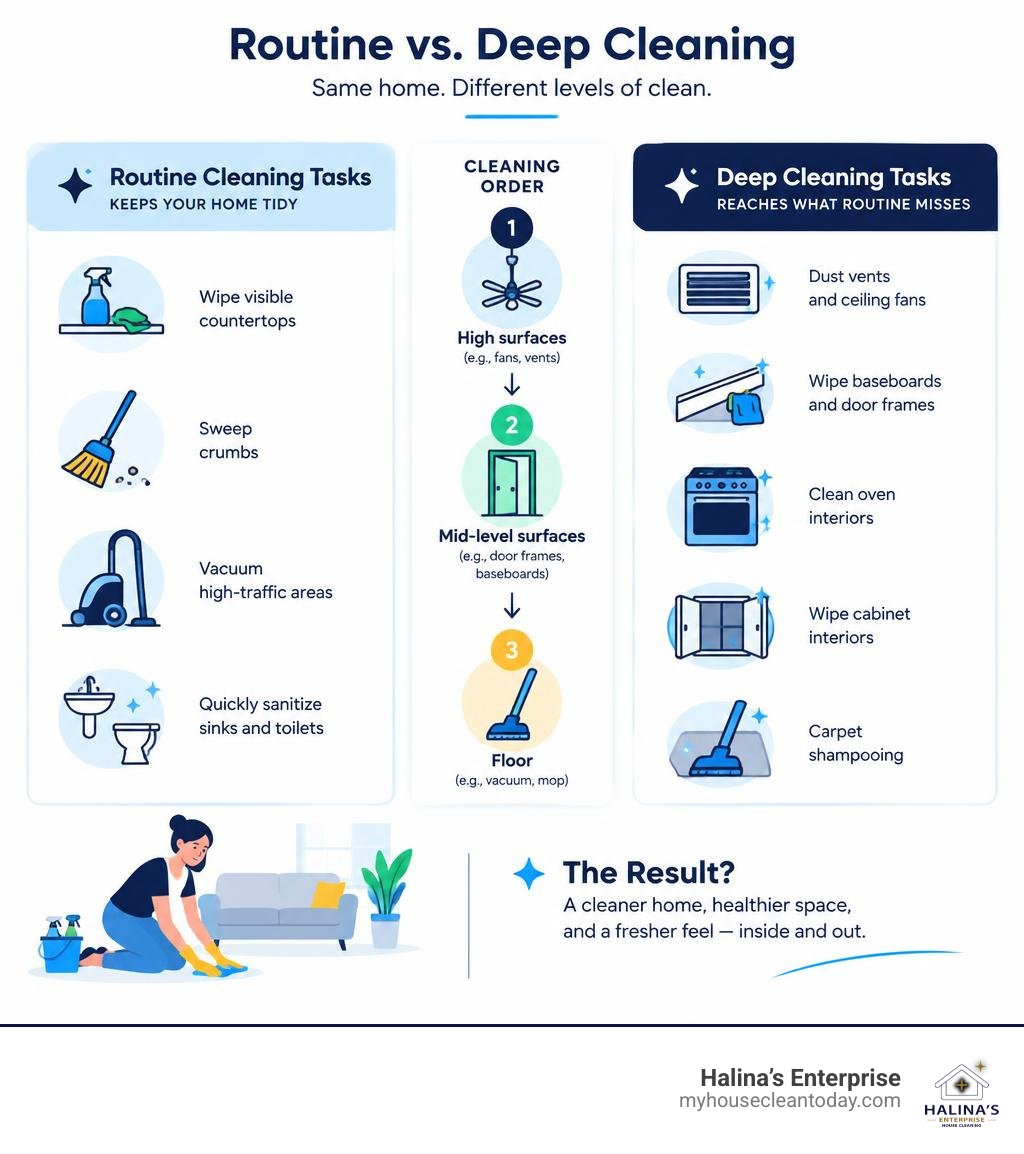
Routine maintenance focuses on everyday surface upkeep. It involves wiping visible countertops, sweeping crumbs, vacuuming high-traffic traffic lanes, and quickly sanitizing bathroom sinks and toilets. In contrast, an intensive reset addresses neglected grime, stubborn limescale, grease films, and hidden allergens. Detailed work requires proper chemical dwell time—often 5 to 10 minutes for EPA-registered disinfectants—so sanitizing agents can actively neutralize pathogens rather than simply smearing dust across surfaces.
| Feature | Regular Maintenance Clean | Deep House Cleaning |
|---|---|---|
| Primary Goal | Maintain daily cleanliness and surface tidiness | Eliminate accumulated grime and reset hygiene baseline |
| Typical Frequency | Weekly or bi-weekly | Every 3 to 6 months (or seasonally) |
| Baseboards & Trim | Skipped or light feather dusting | Hand-washed and detailed edge-to-edge |
| Doors & Switches | Skipped | Disinfected, sanitized, and wiped clean of fingerprints |
| Ceiling Fans & Vents | Light dusting (if accessible) | Hand-detailed, degreased, and vent covers washed |
| Kitchen Cabinets | Spot wipe exterior handles | Full exterior wash and degreasing |
| Showers & Tubs | Surface spray and quick rinse | Heavy descaling, grout scrub, and soap scum breakdown |
| Time Multiplier | Standard baseline (1.5–3 hours) | 1.6x to 2x (or up to 3x) longer than standard visits |
Understanding these distinctions helps homeowners set clear expectations. While recurring maid services keep everyday chaos under control, a restorative session provides the comprehensive clean needed before starting regular maintenance. Tackling heavy buildup first makes every subsequent visit faster and far more effective.
How Often Should You Schedule Deep House Cleaning?
For most active households, scheduling an intensive service every 3 to 6 months is the golden standard. If you maintain strict routine chores like weekly vacuuming and daily counter wiping, a twice-yearly seasonal reset in spring and autumn may suffice.
However, lifestyle factors shift this timeline. Homes with shedding pets, active children, or family members dealing with respiratory allergies benefit from quarterly resets every three months. High foot traffic drives fine dust into upholstery and carpet fibers, while cooking daily meals deposits microscopic grease layers onto kitchen cabinetry. Residents weighing their schedule can review how often should you deep clean your home in Roselle, IL to determine the right interval based on local seasonal shifts and household size.
Time Requirements and Project Cost Factors
A complete restorative clean requires serious labor. While a recurring maintenance visit might wrap up in 2 to 3 hours, a deep clean takes significantly longer—typically 1.6 to 2 times, and sometimes up to 3 times, as long as a standard clean. For a standard 2 to 3 bedroom residence, a comprehensive deep clean generally takes 4 to 8 labor hours (or more if tackling heavy neglected areas).
Multiple variables dictate the overall investment:
- Total Square Footage: Larger properties contain more vertical surfaces, baseboards, and flooring.
- Current Condition: A home uncleaned for months requires higher chemical dwell times and extensive manual scrubbing.
- Household Dynamics: Indoor pets, smoking, or heavy cooking grease add labor hours.
- Crew Size: A solo cleaner may spend 8 hours on-site, whereas a professional crew of two or three completes the work in 3 to 4 hours.
If you are planning your home maintenance budget, you can easily predict your deep cleaning cost per square foot without overpaying or consult our detailed resource on the definitive guide to comparing house cleaning service prices to evaluate professional quotes accurately.
The Essential Deep House Cleaning Checklist Room by Room
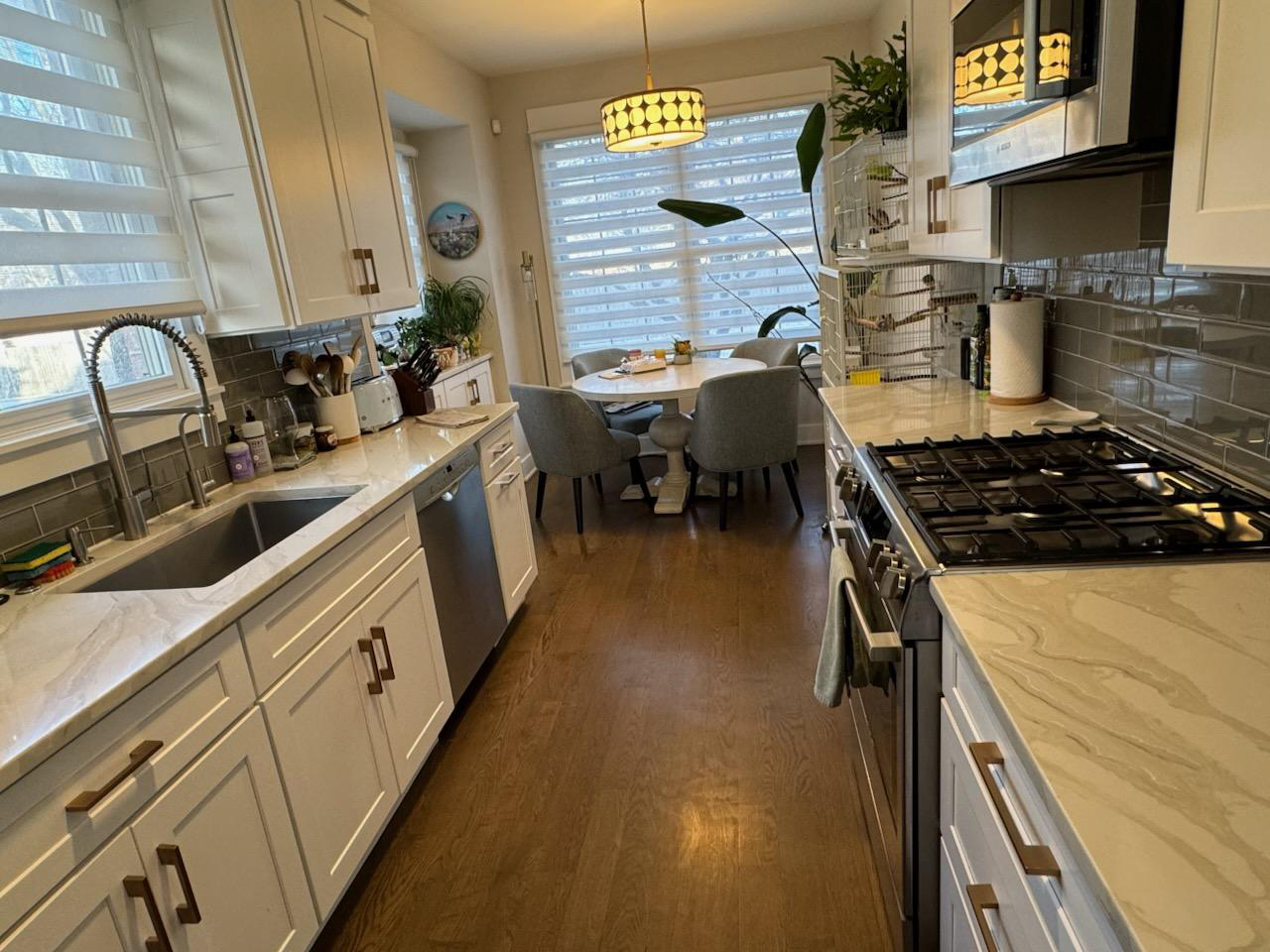
Executing an intensive clean requires a structured approach. To avoid cross-contamination and wasted effort, work from top to bottom and dry to wet in each room.
Key Steps for Kitchen Deep House Cleaning
The kitchen is the functional heart of the home, but it also collects the heaviest grease and food residues. A standard wipe-down cannot cut through baked-on oils on vertical and overhead surfaces.
- Degrease Cabinetry: Wash cabinet and drawer exteriors, paying close attention to handles, grooves, and surrounding trim. Learn more about choosing effective products in our guide on the best kitchen cabinet cleaner options for a streak-free shine.
- Range Hood and Backsplash: Soak baffle filters in warm, degreasing soapy water and scrub the tile backsplash to lift splattered cooking oils using proven methods from the ultimate guide to effective kitchen cleaning methods.
- Oven Detailing: Apply specialized cleaners to dissolve burnt carbon on oven interiors, racks, and glass doors. For heavily coated appliances, follow our playbook on how to clean your dirty oven even when it feels hopeless.
- Refrigerator Maintenance: Clear expired items, wipe down interior shelving and rubber door gaskets, and vacuum condenser coils behind or underneath the unit to boost cooling efficiency.
- Small Appliance Care: Descale the coffee maker, sanitize the microwave interior (including the ceiling and turntable track), and refresh the garbage disposal with citrus peels and baking soda.
Restoring Bathrooms and Eliminating Grime
Bathrooms require aggressive descaling and targeted sanitization to remove mineral deposits, soap scum, and humidity-driven mildew.
- Exhaust Fans: Remove vent covers to vacuum motor dust and wash plastic grates, preventing moisture buildup.
- Grout Lines and Tile Walls: Apply active bathroom cleaners to loosen soap scum and body oils, then scrub grout lines with a stiff detail brush. Discover simple pantry-based hacks to banish bathroom mildew for good with simple household staples.
- Shower Doors and Hardware: Eliminate hard-water scale on glass enclosures and showerheads using eco-friendly descaling methods featured in our guide on how to say goodbye to mildew with the best natural shower cleaner.
- Toilets and Surrounds: Sanitize the entire fixture—including the floor bolts, rear trapway, tank lid, and the wall directly behind the commode.
Bedrooms, Living Areas, and High-Touch Zones

Living spaces accumulate immense amounts of skin cells, fabric dust, and pet dander that settle deep into furnishings and trim.
- High Fixtures: Dust ceiling corners, crown molding, chandeliers, and ceiling fan blades. Homeowners looking to maintain elevated fixtures safely can review our advice on ceiling fan cleaning.
- Bedrooms: Strip all linens, rotate and vacuum the mattress, clean under bed frames, and sanitize side tables. For an easy walkthrough, follow our step-by-step guide to cleaning your bedroom.
- Upholstery and Furniture: Remove cushions to vacuum crevices, treat leather or wood framing, and wipe down electronics, remotes, and entertainment consoles.
- Doors, Baseboards, and Trim: Hand-wash all baseboards, door frames, switch plates, and door handles throughout the home.
- Flooring Care: Vacuum carpets edge-to-edge with a crevice tool and mop hard surfaces according to best practices found in our floor care maintenance protocols.
Step-by-Step Order: How to Deep Clean a Home Efficiently
Attempting a restorative clean without a plan leads to backtracking and fatigue. Cleaning professionals follow a rigid, sequential framework:
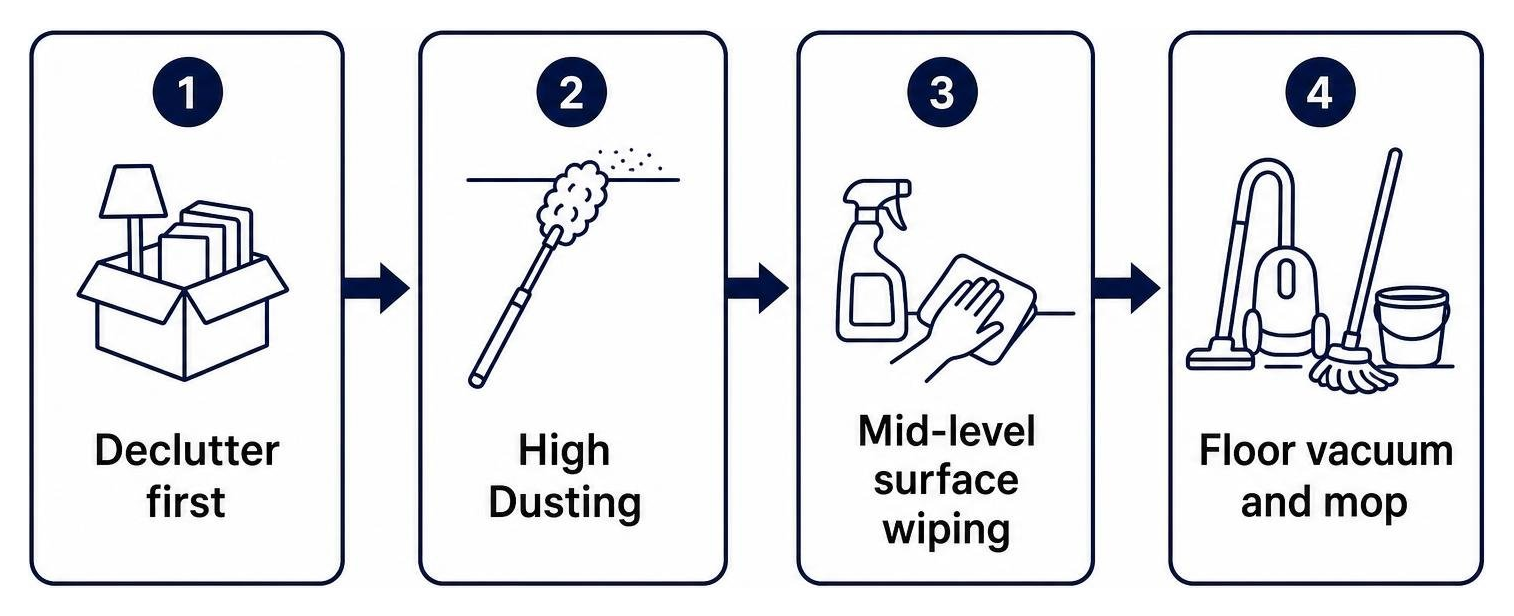
- Decluttering Prep: Clear every surface first. Pick up laundry, put away stray items, and empty kitchen sink basins. You cannot clean a surface you cannot reach.
- Apply Soaking Agents: Spray heavy-duty degreasers in the oven and descaling solutions on bathroom tiles. Letting chemicals sit for their required contact time reduces manual elbow grease later.
- High Dusting: Start in the farthest corner of the home. Use an extendable electrostatic duster to clear ceiling cobwebs, HVAC registers, upper window trims, and fan blades.
- Mid-Level Surface Wiping & Windows: Wipe window sills, tracks, and door frames, integrating interior window washing to let natural light pour in. Wipe down furniture, counters, and decorative accents using a clockwise pattern around each room.
- Low-Level Detailing: Wash baseboards, vacuum behind movable furniture, and wipe base moldings.
- Floors (Dry Before Wet): Vacuum carpets, rugs, and hard floors thoroughly using edge attachments. Finish the room by mopping your way out of the doorway toward the exit.
For comprehensive residential care, exploring our full range of residential cleaning solutions will help keep your home in peak shape year-round.
Chemical Safety and Surface-Specific Techniques
Working with specialized cleaning chemicals requires careful attention to safety and surface compatibility. Mixing incompatible chemicals can release toxic vapors; never combine bleach with ammonia or acidic cleaners like vinegar, as this creates dangerous chloramine or chlorine gas.
- Ventilation: Keep windows cracked and exhaust fans running when working in enclosed spaces like shower stalls.
- Surface Protection: Never use acidic products (such as vinegar or standard limescale removers) on natural stone like marble, travertine, or granite, as they etch the finish.
- Green Alternatives: For households sensitive to synthetic fragrances, explore eco-friendly cleaning products safe for kids and pets and review our sensitive nose field guide to safe hypoallergenic cleaning to protect indoor air quality.
What Standard Deep Cleaning Excludes and Common Add-Ons
A common point of confusion among homeowners is understanding where a deep clean ends and specialty add-ons begin. Standard deep cleaning focuses on the structural and exterior surfaces of a lived-in home.
Standard Deep Clean Exclusions:
- Inside Cabinets and Drawers: Standard deep cleans focus on cabinet and drawer exteriors. Interior cabinet washing is typically reserved for move-in or move-out cleanings when shelving is completely cleared.
- Exterior High Windows: Standard appointments focus on interior window glass, sills, and tracks.
- Moving Heavy Furniture: Cleaning teams safely detail around and underneath accessible furniture without moving heavy wardrobes or large appliances to prevent floor scratches.
If you are transitioning between properties, booking specialized apartment and condo cleaning guarantees that empty cabinet interiors, refrigerator shelving, and oven cavities are fully prepped for new occupants.
Frequently Asked Questions About Deep Cleaning
What is the difference between a deep clean and regular cleaning?
A regular clean maintains day-to-day tidiness through surface dusting, sweeping, mopping, and basic sanitizing. A deep clean restores the living space by eliminating built-up grease, soap scum, and dust from neglected areas like baseboards, door frames, light fixtures, vents, and behind appliances.
Does a deep clean automatically include the inside of appliances?
Not always. While some deep cleaning packages include appliance interiors like the oven or refrigerator, many services classify them as customizable add-on items. Always review your service checklist beforehand so your priority appliances receive the attention they need.
How long does a whole-house deep clean usually take?
A standard 2 to 3 bedroom home generally takes between 4 to 8 labor hours to deep clean thoroughly. The exact duration depends on the property’s square footage, the level of built-up grime, the presence of indoor pets, and the number of cleaning specialists working on-site.
Conclusion
Carrying out an intensive clean restores your home into a healthy, sparkling sanctuary. At Halina’s Enterprise, we bring more than 30 years of hands-on expertise to homeowners across Roselle, Schaumburg, Arlington Heights, and the broader Chicagoland area. Our bonded and fully insured cleaning crews utilize safe, non-toxic products to deliver detail-oriented, health-focused results recognized by top industry accolades.
When you are ready to eliminate hidden grime, refresh your indoor air quality, and reset your living environment, explore our full cleaning services to book your personalized home transformation today.