A Practical Start to Hypoallergenic Cleaning
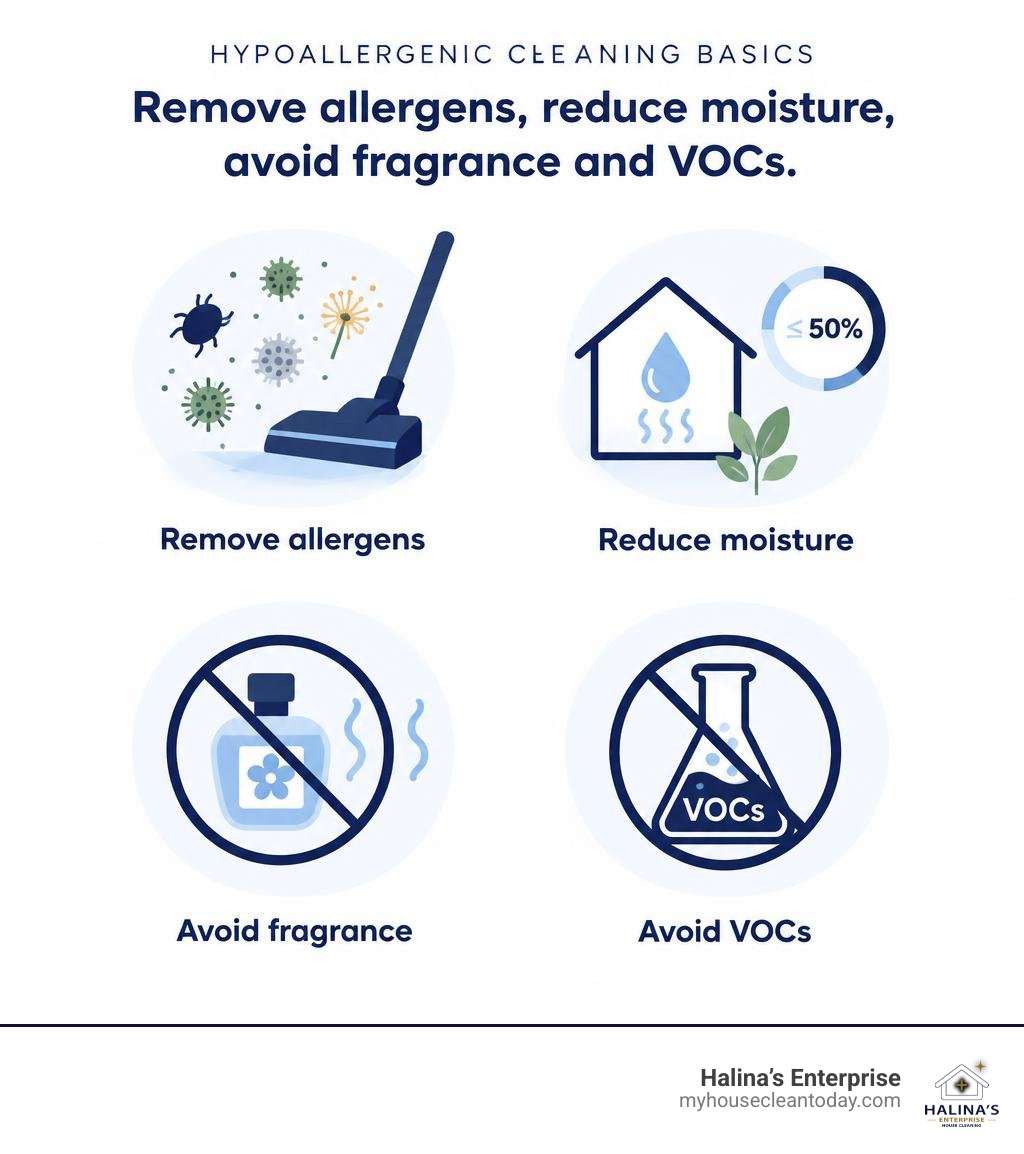
Hypoallergenic cleaning means removing dust, dander, pollen, and mold-friendly moisture without adding strong scents, harsh fumes, or irritating residue. Start with three simple habits:
- Use fragrance-free, low- or zero-VOC cleaners and microfiber cloths.
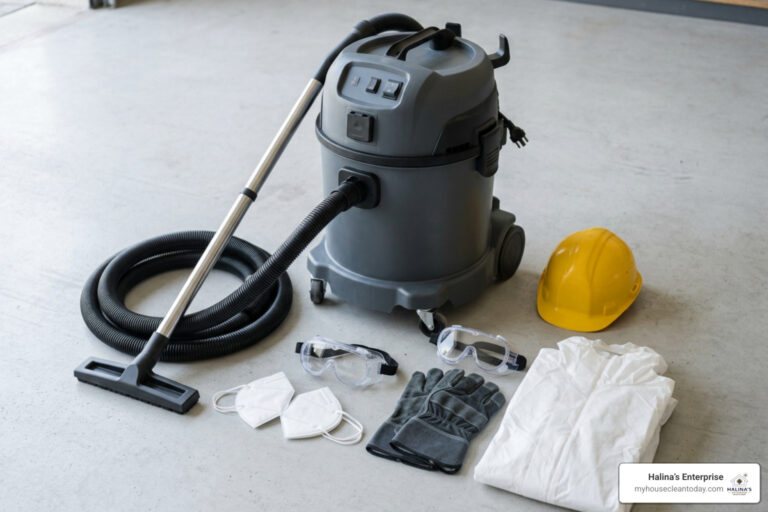
- Damp-dust and vacuum weekly with a HEPA-filter vacuum instead of dry sweeping dust into the air.
- Keep indoor humidity at or below 50% to discourage dust mites and mold.
This approach matters because people spend roughly 80% of their time indoors, and nearly one in four people live with respiratory allergies. For a sensitive nose, asthma, eczema, or a busy household with children and pets, a “clean” smell is not proof of a clean home. It can be a sign that fragrance chemicals are still in the air.
Safe cleaning is about matching the method to the problem: remove allergens from surfaces, control moisture, ventilate when needed, and avoid products that can irritate eyes, skin, or airways. The result is a home that feels fresher without relying on perfume-heavy sprays or harsh chemical fumes.
What Is Hypoallergenic Cleaning and Why Does It Matter?
Traditional housekeeping often relies on harsh chemicals and artificial perfumes to mask household odors. For sensitive individuals, however, that classic “pine” or “lemon fresh” aroma is a warning sign. Standard commercial detergents often leave behind chemical residues that trigger sneezing fits, skin redness, or bronchial constriction.
True allergy-safe housekeeping prioritizes allergen neutralization and the elimination of irritating residues. Rather than coating surfaces in synthetic perfumes or caustic disinfectants, this approach removes organic triggers while leaving the indoor air chemically neutral. Using eco-friendly cleaning products safe for kids and pets ensures that your living space stays pristine without introducing hazardous indoor air pollutants.
Science-Backed Benefits of Hypoallergenic Cleaning for Respiratory Health
When you clean with conventional aerosol sprays and ammonia-based formulas, volatile organic compounds (VOCs) vaporize instantly into the breathable air. These chemicals irritate the delicate mucosal lining of the nasal passages and bronchial tubes. For individuals with asthma, allergic rhinitis, or chronic obstructive pulmonary disease (COPD), VOCs can cause immediate airway inflammation, coughing spasms, and reduced lung function.
Transitioning to non-toxic, zero-VOC solutions protects the respiratory barrier and prevents contact dermatitis on sensitive skin. Formulations like TotalClean Zero-VOC All-Purpose demonstrate that household cleaners can lift grime, grease, and biological matter without off-gassing toxic fumes into enclosed rooms.
Common Airborne and Surface Allergens Targeted
An effective allergy-safe routine targets specific biological proteins that accumulate on furniture, floors, and fabrics:
- Dust Mite Feces and Body Parts: Microscopic arachnids thrive in warm, humid textiles, shedding digestive enzymes (Der p 1 and Der f 1) that trigger persistent morning congestion.
- Pet Dander and Salivary Proteins: The tiny protein molecules found in animal dander (such as Can f 1 in dogs and Fel d 1 in cats) dry out, turn airborne, and embed deeply into upholstery fibers.
- Outdoor Pollen Infiltration: Tree, grass, and weed pollens blow indoors through open windows and hitch rides on clothing, settling into carpets and entryways.
- Mold Spores and Hyphae: Mold colonies thrive in damp environments, releasing micro-spores and mycotoxins that aggravate allergy symptoms year-round.
Dangerous Chemicals to Avoid in Traditional Cleaning Supplies
To protect your household from chemical sensitivities, check ingredient labels carefully and steer clear of these common irritants:
- Synthetic Fragrances and Phthalates: Proprietary perfume mixtures contain dozens of unlisted petroleum-derived chemicals that emit VOCs and trigger migraines or contact dermatitis.
- Chlorine Bleach (Sodium Hypochlorite): Bleach produces noxious chlorine gas that strips mucus membranes. When accidentally mixed with acidic cleaners or ammonia, it forms lethal chloramine gases.
- Ammonia: Often found in conventional window and glass cleaners, ammonia is a potent respiratory irritant that can induce occupational asthma.
- Quaternary Ammonium Compounds (“Quats”): Common in antibacterial wipes and fabric softeners, quats are potent skin sensitizers and respiratory irritants linked to reproductive toxicity.

Why “Fragrance-Free” Trumps “Unscented” and “Natural”
A product labeled “unscented” is not necessarily free of perfume chemicals. Manufacturers often add synthetic masking agents to neutralize the natural chemical odors of raw ingredients, hiding irritants from your nose while still exposing your lungs to VOCs.
Even naturally derived scents like citrus terpenes (limonene) and pine extracts (pinene) pose hidden risks. When these terpenes interact with ambient indoor ozone, they oxidize into secondary pollutants like formaldehyde and ultrafine aerosols. To protect sensitive airways, always look for third-party certifications like the EPA Safer Choice standard, and select formulas specifically designated as “fragrance-free” rather than “unscented.”
Room-by-Room Field Guide to an Allergy-Proof Home
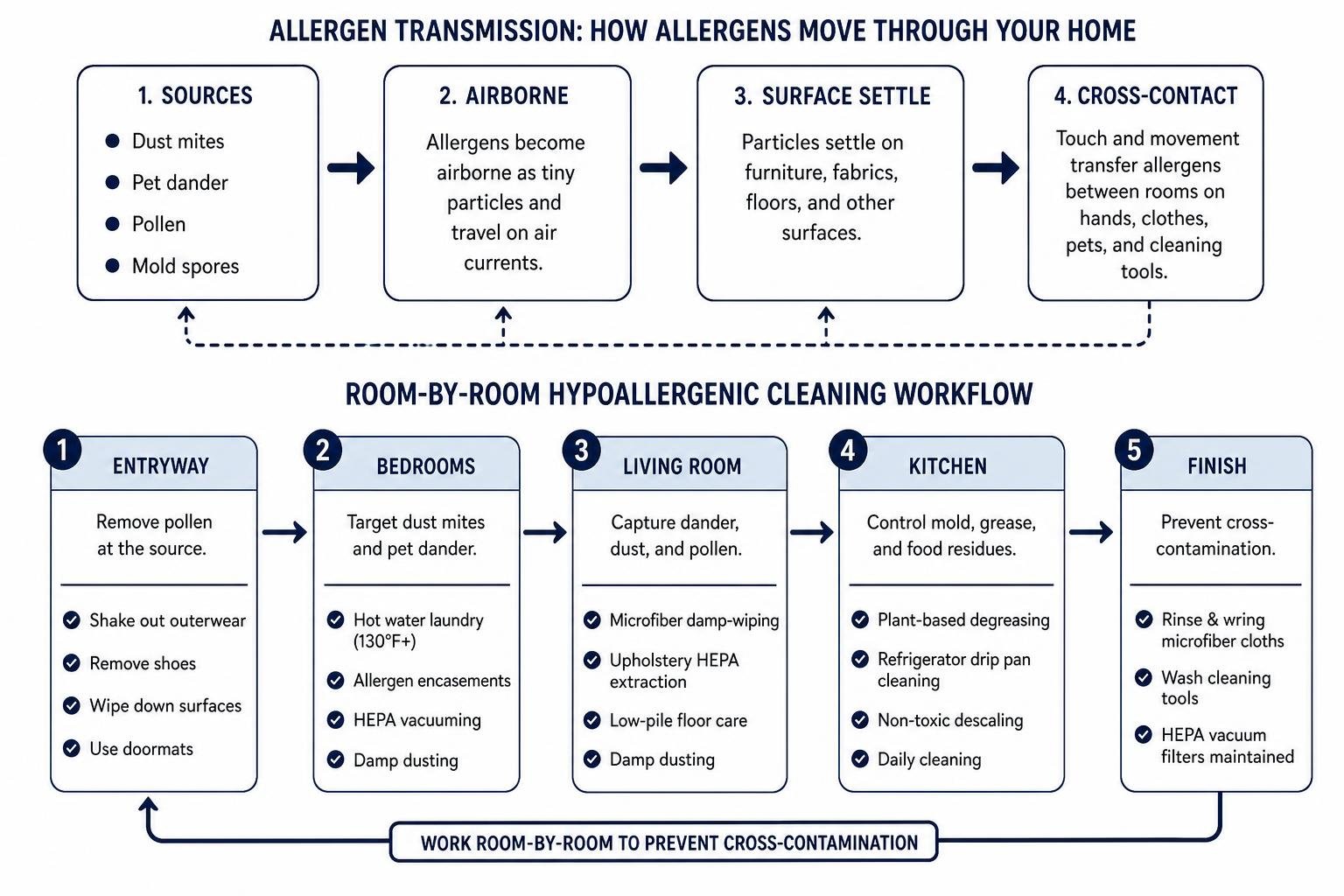
Allergy management requires a systematic strategy. Dry dusting simply launches settled particles back into the breathing zone, where they remain suspended for hours. Using damp microfiber cloths traps particles on contact, preventing cross-contamination from room to room.
| Home Hotspot | Primary Allergen Source | Hypoallergenic Intervention Method | Recommended Frequency |
|---|---|---|---|
| Bedrooms | Dust mites, pet dander | Hot water laundry (130°F+), allergen encasements, HEPA vacuuming | Weekly |
| Living Room | Dander, dust mites, pollen | Microfiber damp-wiping, upholstery HEPA extraction, low-pile floor care | 1–2 times weekly |
| Kitchen | Mold, grease, food residues | Plant-based degreasing, refrigerator drip pan cleaning, non-toxic descaling | Daily / Bi-weekly |
| Bathrooms | Mold spores, mildew | Exhaust fan ventilation, HOCl sanitizing, grout scrubbing | Twice weekly |
| Basements | Mold, damp mustiness | Dehumidification (below 50% RH), continuous HEPA air filtration | Ongoing |
Bedroom and Living Area Sanitization
We spend roughly a third of our lives in the bedroom, making it the most critical zone for allergy control.
- Bedding Care: Wash sheets, pillowcases, and duvet covers weekly in water heated to at least 130°F (54°C) to kill dust mites and denature their allergenic proteins.
- Mattress Encasements: Seal mattresses, box springs, and pillows in zippered, breathable, allergen-proof encasements with a pore size under 10 microns.
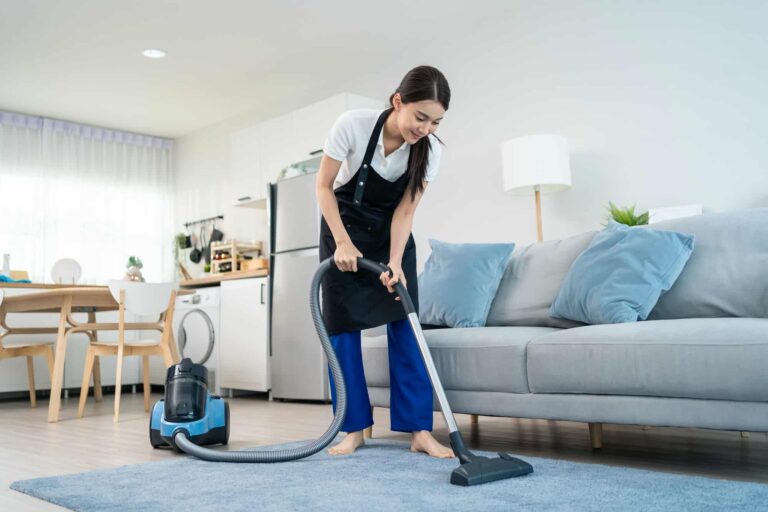
- Carpet and Upholstery Care: Vacuum carpets and fabric furniture weekly using a sealed-system vacuum equipped with a true HEPA filter. Replace thick, high-pile carpeting with hard flooring or low-pile rugs whenever possible.
- Pet Boundaries: Keep pets out of the bedroom entirely to maintain a clean sleeping sanctuary free of dander.
Kitchen and Bathroom Mold Elimination
Kitchens and bathrooms produce substantial moisture, creating ideal breeding conditions for mold and mildew.
- Ventilation: Run exhaust fans during showers and cooking, and let them run for at least 20 minutes afterward to keep humidity low.
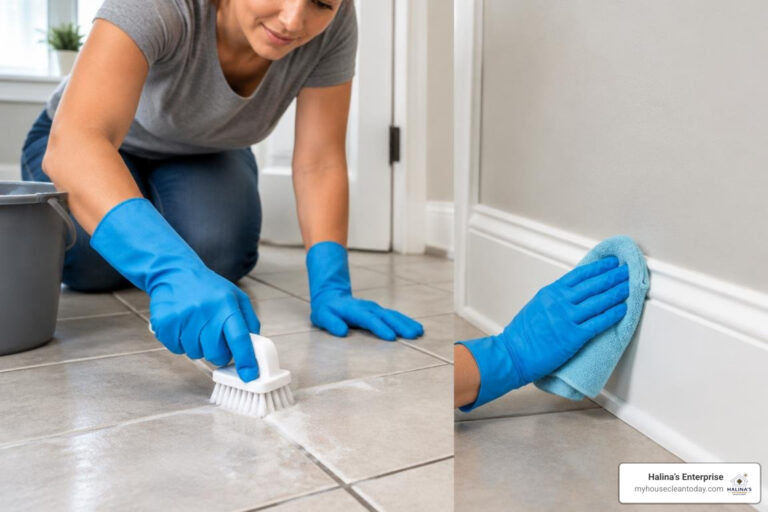
- Sink and Grout Hygiene: Eliminate mold from tile grout using non-toxic descaling solutions and plant-based surfactants rather than chlorine bleach. Bleach removes surface discoloration but often leaves microscopic mold roots intact on porous surfaces.
- Appliance Care: Regularly clean refrigerator drip pans, defrost trays, and door gaskets where standing water collects mold.
- Professional Support: When deep-seated grime accumulates, our specialized residential cleaning protocols provide an intensive, allergy-safe refresh across every surface.
Advanced Solutions: Probiotics, Natural Formulas, and Modern Science
Modern cleaning science offers powerful alternatives to conventional biocides. Today’s safest cleaning technologies work in harmony with your home’s natural microbiome.
- Distilled White Vinegar: A mild 5% acetic acid solution that dissolves mineral scale, hard water marks, and light soap scum.
- Baking Soda (Sodium Bicarbonate): An effective, gentle abrasive that scrubs away grime, neutralizes odors, and emulsifies kitchen oils without chemical fumes.
- Pure Hypochlorous Acid (HOCl): A gentle, body-native oxidant that effectively sanitizes surfaces and breaks down into simple salt and water. Products like the Gentle Sen HOCl The Everyday Kit for Cleaning and Sensitive Skin provide a skin-safe, zero-waste disinfectant alternative.
How Probiotic Detergents Break Down Allergens
Probiotic cleaning technology uses non-pathogenic, beneficial bacteria (typically Bacillus strains) to consume biological matter. While standard detergents simply wipe away visible surface dirt, probiotic formulas continue working long after application.
These beneficial microbes produce targeted enzymes that break down the protein structures of dust mite droppings, pet saliva, pollen grains, and mold residues. Laboratory testing on AllerClean – Pollet probiotic detergents demonstrates an 85% to 100% degradation of respiratory allergens within 2 to 5 days, maintaining continuous allergen breakdown on treated surfaces for at least 10 days.
Evaluating the Cost and Effectiveness of Hypoallergenic Cleaning
A common misconception is that hypoallergenic, non-toxic products are too expensive for routine use. In reality, concentrated formulas and smart-dosing dilution systems make safer cleaning highly cost-effective. Modern refill systems allow one gallon of plant-based concentrate or an HOCl tablet pack to yield dozens of spray bottles for pennies per ounce.
Switching to multi-surface, non-toxic products also cuts household expenses by replacing single-use chemical cleaners. Beyond everyday bottle costs, maintaining a home free of respiratory triggers helps reduce medical expenses, prescription costs, and missed work days caused by severe allergy flare-ups.
Frequently Asked Questions About Allergy-Safe Cleaning
How often should an allergy-safe deep clean be performed to control dust mites and dander?
Maintain a weekly schedule for washing bedding at 130°F, dusting surfaces with damp microfiber cloths, and vacuuming with a sealed HEPA machine. Every season, schedule a comprehensive deep house cleaning to clear hidden dust behind heavy furniture, wash window treatments, and sanitize moisture-prone vents.
Are hypoallergenic cleaners safe for infants, pets, and immunocompromised individuals?
Yes. Quality hypoallergenic cleaners are formulated without endocrine disruptors, volatile solvents, synthetic dyes, or caustic residues. Solutions using plant-based surfactants or pure hypochlorous acid (HOCl) break down naturally on surfaces, making them safe for crawling infants, pets that groom their paws, and individuals with sensitive immune systems.
Can natural DIY alternatives like vinegar and baking soda replace commercial cleaners?
DIY solutions are excellent for light routine maintenance: baking soda handles everyday scrubbing, while distilled white vinegar clears mineral buildup and glass smudges. However, vinegar is acidic and can damage unsealed natural stone like marble or granite. It also lacks the broad-spectrum sanitizing power of dedicated hypoallergenic formulas when managing serious mold growth or heavy bacteria.
Conclusion: Transforming Your Living Space into an Allergen-Safe Sanctuary
Maintaining an allergy-safe home is an ongoing practice of proactive indoor environmental care. By eliminating harsh chemical sprays, managing indoor humidity, damp-dusting with microfiber, and choosing gentle, science-backed cleaners, you can transform your home into a truly restorative sanctuary.
At Halina’s Enterprise, we bring over 30 years of award-winning, bonded, and insured cleaning expertise to homes throughout the Chicagoland area—including Roselle, Schaumburg, Bloomingdale, and surrounding communities. We believe pristine living spaces should never come at the expense of your health. Contact us today to explore our customizable professional cleaning services and discover how our non-toxic, health-first cleaning methods can help your whole family breathe easier.