What Professional Commercial and Office Cleaning Really Covers
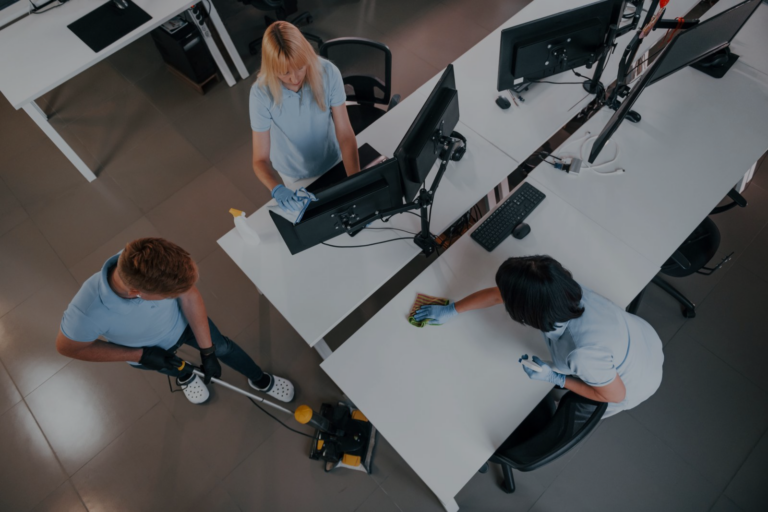
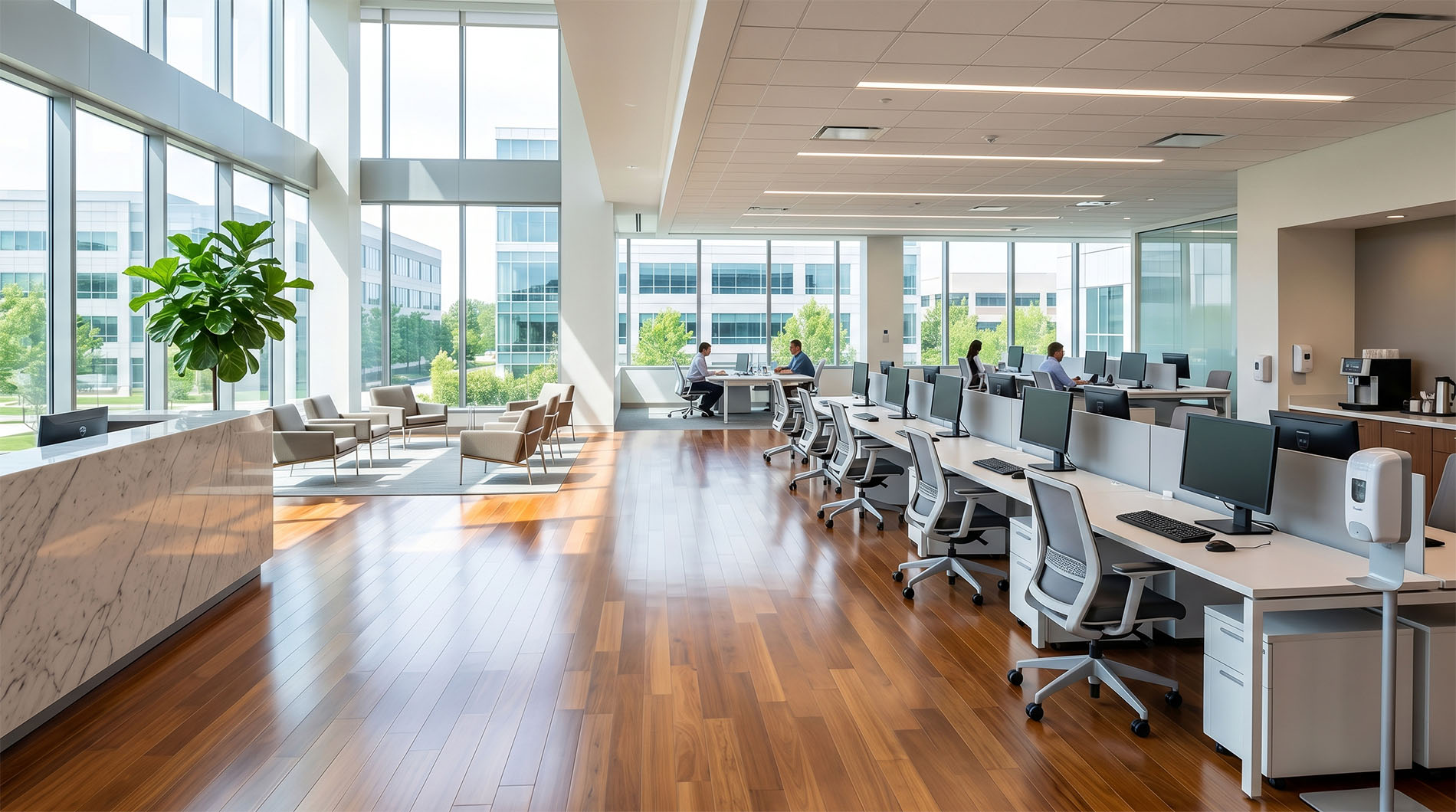
A clean-looking office is not always a clean office. Commercial and office cleaning combines routine upkeep with targeted sanitation, floor care, restroom cleaning, waste removal, and attention to high-touch areas that staff and visitors use all day.
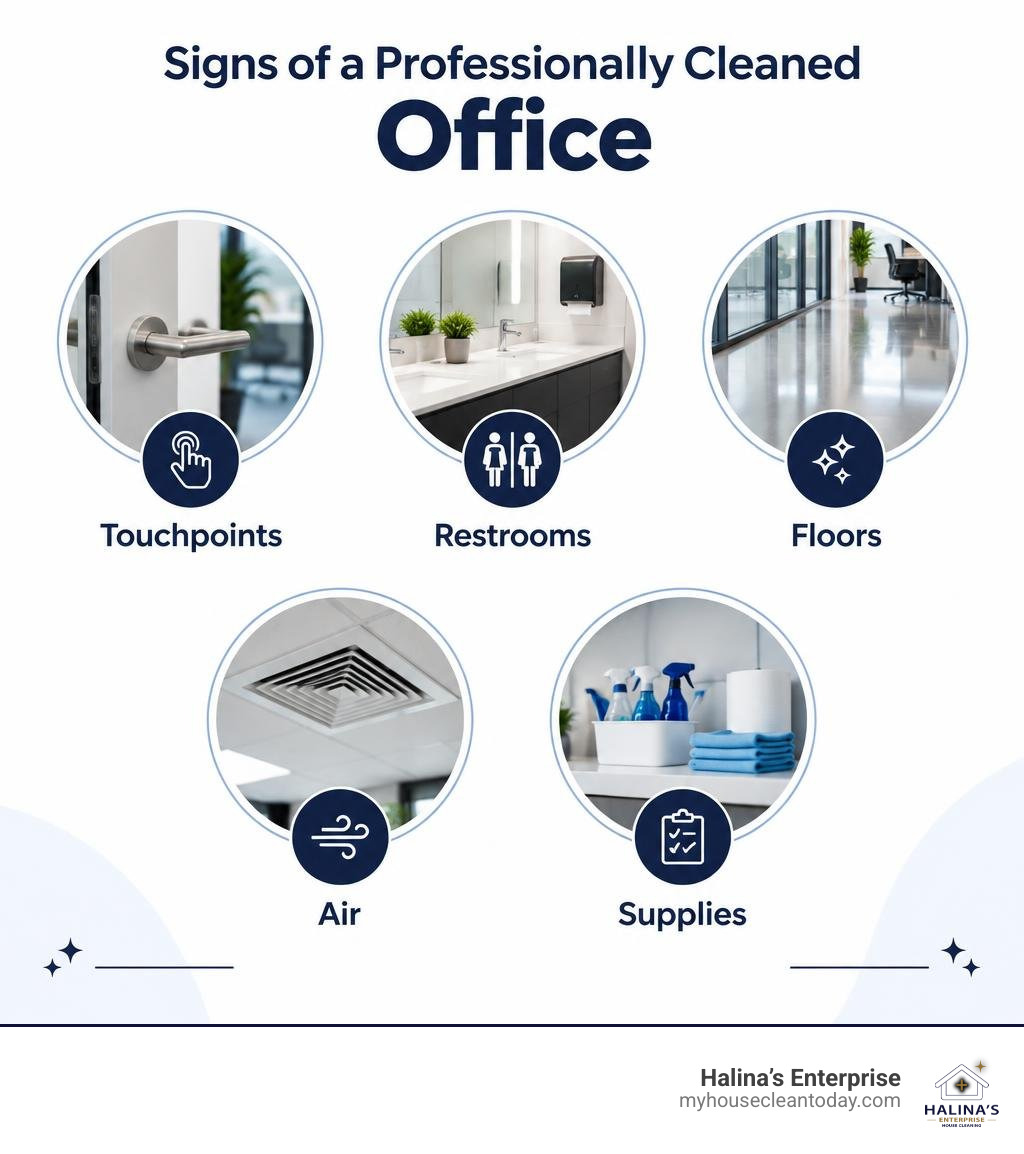
To see whether your workplace is truly clean, look beyond clear desks and empty bins. Check for:
- Smudges on door handles, light switches, and shared equipment
- Dust around vents, baseboards, and behind furniture
- Restrooms that are stocked, odor-free, and visibly maintained
- Stained carpets, dirty entry floors, or neglected corners
- A cleaning plan that matches your traffic, hours, and industry needs
Professional cleaners work from a defined scope and schedule, not just a quick visual tidy. That may mean nightly office cleaning, day porter support for busy facilities, periodic deep cleans, or specialized work after construction, events, or illness exposure. The goal is simple: a safer, more consistent space that makes a strong impression without adding another task to your team.
Commercial and office cleaning vocab to learn:
- best office cleaning companies
- commercial cleaning companies near me
- commercial carpet cleaning companies near me
Commercial and Office Cleaning vs Janitorial Services: Understanding the Differences
When evaluating facility upkeep, it is easy to assume that janitorial services and commercial cleaning are the exact same thing. While both focus on maintaining a pristine work environment, they address completely different aspects of your building’s health and operational lifecycle.
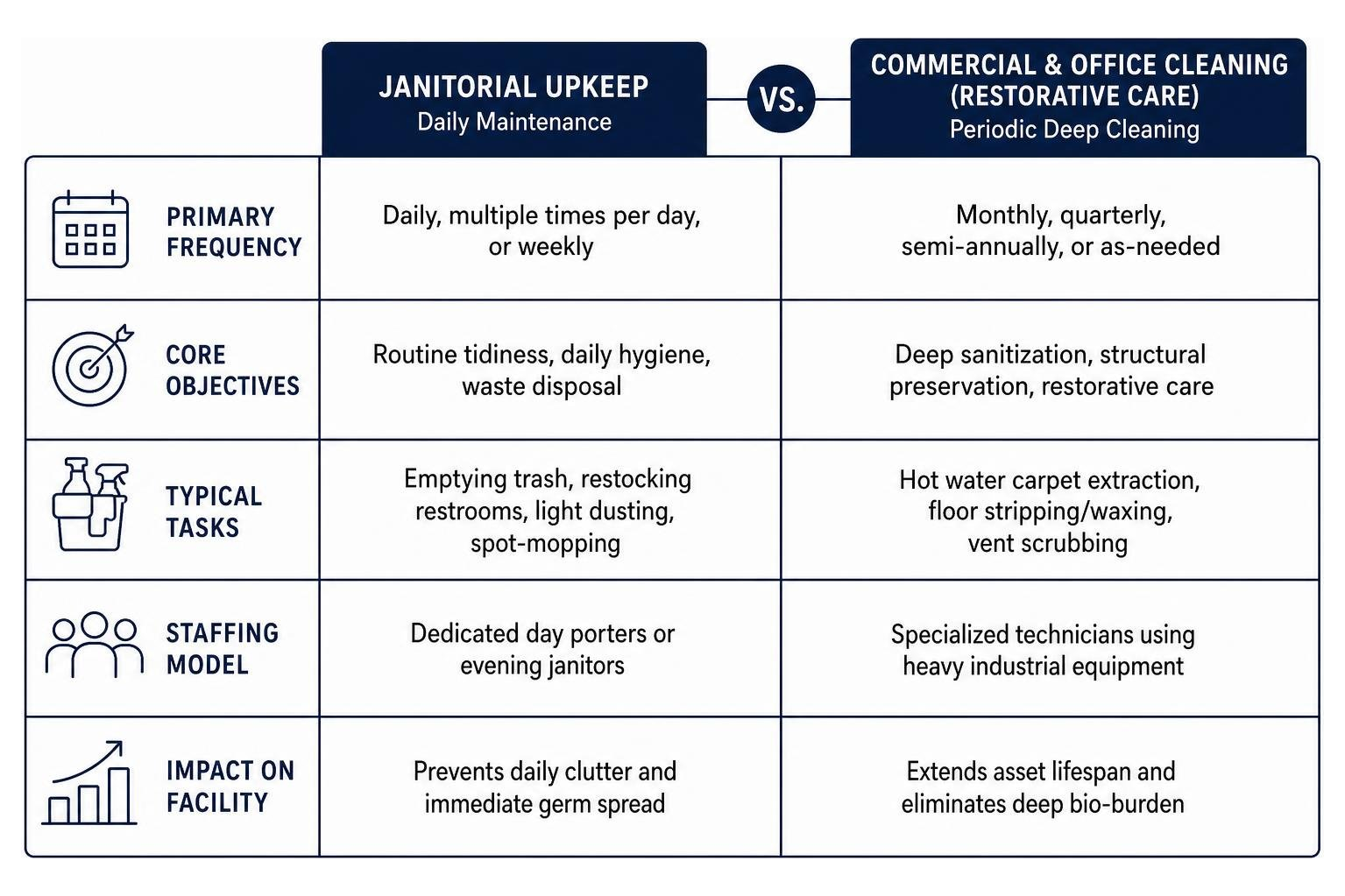
Janitorial services focus on recurring, daily or day-shift maintenance. This involves tasks such as emptying trash bins, wiping breakroom tables, spot-mopping high-traffic spills, and keeping paper towels stocked. Commercial cleaning, by contrast, involves heavy-duty, periodic, or restorative deep-cleaning tasks. Think of janitorial staff as the daily guardians of workplace order and commercial cleaning crews as the deep-restoration specialists.
| Service Feature | Janitorial Services | Commercial & Office Cleaning |
|---|---|---|
| Primary Frequency | Daily, multiple times per day, or weekly | Monthly, quarterly, semi-annually, or as-needed |
| Core Objectives | Routine tidiness, daily hygiene, waste disposal | Deep sanitization, structural preservation, restorative care |
| Typical Tasks | Emptying trash, restocking restrooms, light dusting, spot-mopping | Hot water carpet extraction, floor stripping/waxing, vent scrubbing |
| Staffing Model | Dedicated day porters or evening janitors | Specialized technicians using heavy industrial equipment |
| Impact on Facility | Prevents daily clutter and immediate germ spread | Extends asset lifespan and eliminates deep bio-burden |
High-performing facilities in major commercial hubs often integrate both approaches to achieve continuous, top-tier cleanliness.
Janitorial Maintenance vs Scheduled Deep Cleans
Day-to-day operations generate continuous mess. A dedicated day porter handles high-visibility tasks during peak business hours without disrupting workflows. Implementing structured daily porter services ensures that high-volume lobbies remain spotless, conference rooms are reset after lunch meetings, and spills are neutralized immediately.
Alongside porter services, ongoing common area maintenance prevents the gradual wear and tear that occurs in shared entryways, stairwells, and elevator banks. When routine day porter support is paired with scheduled deep cleans, your facility never slides into that dull, grimy state where sudden panic cleans are required before important client visits.
Core Commercial and Office Cleaning Service Scopes
A comprehensive deep clean reaches places standard daily wiping cannot touch. When we perform corporate office cleaning, our teams address environmental contaminants trapped within building infrastructure.
To maintain total consistency, facility managers rely on a detailed Chicago office cleaning checklist. This protocol ensures technicians scrub light fixtures, dust ceiling diffusers, clean baseboards, and perform streak-free interior window washing to maximize natural sunlight and elevate indoor environmental health.
High-Touch Points and Hidden Problem Areas Professional Cleaners Inspect
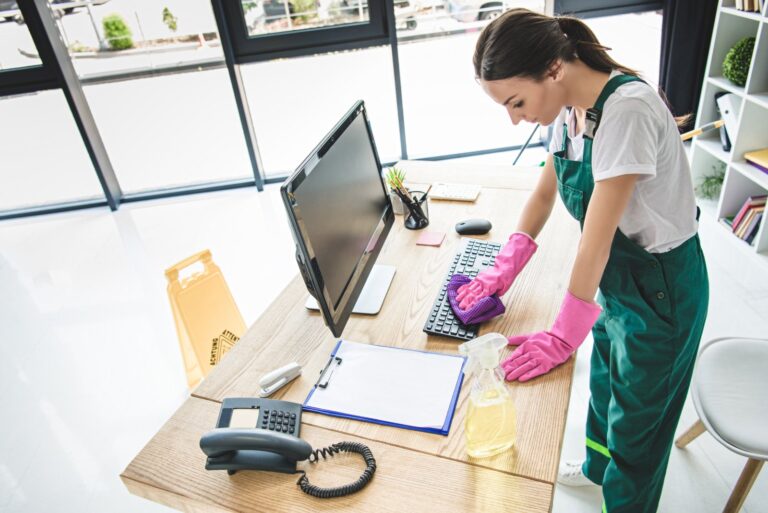
A desk may look neat from across the room, but microscopic analysis often reveals that typical office keyboards and shared touchpoints harbor significant bacterial colonies. Professional cleaners use targeted hygiene strategies to eliminate unseen bio-burdens rather than simply pushing dust around.
Cross-contamination is one of the greatest risks in any office. Without color-coded microfiber systems and precise dwelling times for disinfectants, cleaning staff can inadvertently transfer bacteria from a breakroom sink directly to an executive desk phone. Expert crews focus heavily on:
- Shared printer controls, touchscreens, and meeting room remotes
- Door handles, push plates, and elevator buttons
- Breakroom refrigerator handles, microwave panels, and coffee maker buttons
- Desk chair armrests and underside adjustment levers
- HVAC return grilles where dust and allergens collect
Restroom Sanitation and Consumable Management
Commercial restrooms require far more than a casual wipe of the counter. Restrooms harbor aerosolized bacteria that settle on partition latches, flush handles, and soap dispensers. In high-occupancy corporate settings, routine inspections should occur every 60 to 90 minutes.
Comprehensive restroom sanitation stocking combines hospital-grade sanitization with meticulous consumable monitoring. Running out of soap, toilet paper, or hand sanitizer directly degrades employee hygiene and tanks workplace morale. Our crews ensure every dispenser is fully charged with eco-friendly products while all porcelain fixtures are descaled, sanitized, and deodorized.
Floor Care, Carpets, and High-Traffic Surfaces
Flooring represents a substantial capital investment in any facility. Commercial carpets act like giant air filters, trapping particulate matter, dirt, and airborne allergens. Regular vacuuming removes surface debris, but even with daily care, carpet fibers need deep hot water extraction applied every 18 to 24 months to remove embedded grime and restore fiber elasticity.
For hard surfaces like vinyl composition tile (VCT), terrazzo, or luxury vinyl tile (LVT), routine floor care maintenance prevents abrasive dirt from scratching protective sealants. When budgeting, understanding commercial carpet cleaning cost factors helps facility executives plan seasonal deep cleans, high-pressure extractions, and protective floor treatments that prevent premature flooring replacement.
Industry-Specific Protocols and Compliance Standards
Every industry operates under different regulatory and sanitary expectations. A single standard approach cannot serve an automotive showroom, a high-tech corporate hub, and a surgical clinic equally.
Professional cleaning organizations align their operational protocols with global standards established by the International Sanitary Supply Association) (ISSA) and the British Institute of Cleaning Science (BICSc). Globally, elite providers demonstrate organizational excellence through multi-ISO certifications, including ISO 9001, 14001, and 45001 accreditations that elevate operational quality, environmental stewardship, and occupational safety.
Medical, Corporate, and Industrial Facility Requirements
In healthcare environments, our focus shifts toward infection control, bloodborne pathogen protocols, and OSHA compliance. Through dedicated medical office sanitation, cleaning technicians follow strict dwell-time rules for EPA-registered, hospital-grade disinfectants to eliminate pathogens without leaving toxic residues.
Conversely, large production spaces require rugged solutions. Conducting industrial warehouse cleaning involves heavy debris containment, high-bay structural dusting, oil and chemical spill mitigation, and sweeping logistics aisles with industrial scrubbers to maintain clear transit paths and prevent forklift slippage.
Safety Standards and Green Chemical Handling
Worker and building safety hinges on responsible chemical management. The commercial cleaning industry employs thousands of dedicated workers whose annual wages range from approximately $31,000 to $48,000 across various technician and supervisory roles. Protecting these professionals—and your facility’s occupants—requires strict adherence to Safety Data Sheets (SDS), personal protective equipment (PPE) guidelines, and OSHA hazard communication regulations.
At Halina’s Enterprise, we emphasize safe, non-toxic cleaning products that deliver exceptional antimicrobial performance without emitting hazardous volatile organic compounds (VOCs). This green approach safeguards indoor air quality, protects sensitive occupants from respiratory irritation, and keeps your facility aligned with contemporary environmental standards.
How Commercial Cleaning Costs and Contracts Are Calculated

Commercial cleaning contracts are structured around clear operational variables rather than arbitrary guesswork. Pricing takes into account total cleanable square footage, flooring types, facility layout, shift timing, and the density of human traffic.
Neglecting regular maintenance often leads to costlier structural interventions later. For instance, evaluating commercial ceiling cleaning options can save facility managers significant capital by restoring acoustic tiles rather than undertaking expensive, disruptive ceiling replacements.
Evaluating Hourly vs Square Footage Pricing Models
When choosing between service quotes, you will typically encounter two primary billing models:
- Square Footage Pricing: The contractor calculates a monthly flat rate based on cleanable square feet and service frequency. This structure is ideal for recurring programs like routine commercial cleaning and scheduled office cleaning, offering fixed, predictable monthly budgets.
- Hourly Billing: Cleaners bill directly for time worked on-site. This approach works best for variable scopes, one-time post-event cleanups, emergency spill responses, or deep post-construction cleans where exact task durations vary.
Developing a Custom Commercial and Office Cleaning Scope
Every business should establish a scope of work tailored to its operational cadence. Implementing a structured office cleaning schedule template allows you to assign specific duties across daily, weekly, and monthly intervals.
For dynamic client-facing properties, pairing internal sanitation with crystal-clear storefront window cleaning ensures your business makes a welcoming, professional impression from the sidewalk straight through to the boardroom.
Transitioning from In-House Cleaning to Professional Commercial Contractors
Asking full-time office staff to vacuum, sanitize bathrooms, and mop breakrooms often leads to friction, reduced primary job performance, and superficial cleaning. Transitioning to professional cleaners eliminates hidden facility wear and protects team morale.
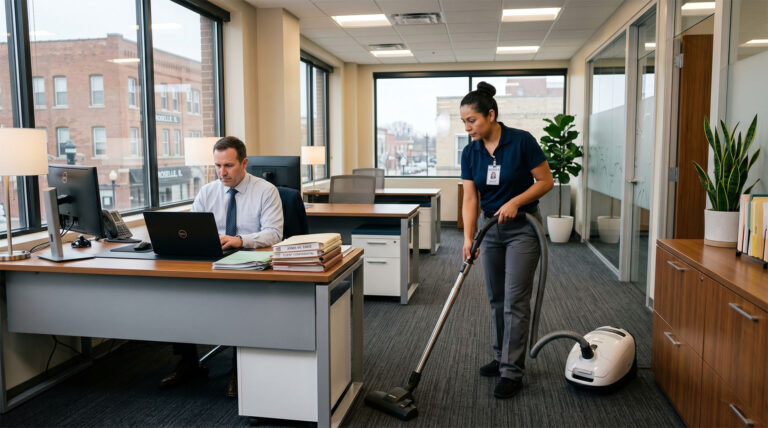
Knowing how to choose the best office cleaning service comes down to finding a trusted partner who is fully licensed, bonded, and insured. Professional contractors arrive equipped with commercial-grade HEPA filtration vacuums, microfiber sanitization kits, and proven methodologies that get the job done quickly and thoroughly after business hours.
Vetting Local Crews and Background Checks
Your cleaning crew will have after-hours access to sensitive company spaces, expensive hardware, and confidential client files. Thorough vetting is non-negotiable.
Before signing a contract, consult our list of key questions to ask local cleaning crews. If you manage properties across Chicagoland suburbs—such as hiring a specialized office cleaning service in Des Plaines IL or contracting support in Schaumburg, Naperville, Arlington Heights, or Elk Grove Village—ensure the provider executes rigorous criminal background checks, drug screenings, and ongoing safety training programs.
Seamless Onboarding and Quality Assurance Systems
A seamless transition begins with a comprehensive baseline deep clean. This resets your facility to a peak hygienic standard, making ongoing maintenance much easier to manage.
Top-tier commercial cleaning providers use digital task tracking and quality assurance checklists to confirm that every task—from emptying wastebaskets to sanitizing conference tables—is executed flawlessly. Direct communication logs between facility managers and cleaning supervisors ensure any special requests or feedback are resolved in real time.
Frequently Asked Questions About Commercial and Office Cleaning
How often should commercial office carpets undergo hot water extraction?
Even with thorough daily vacuuming, commercial office carpets require hot water extraction every 18 to 24 months. For high-traffic entryways, lobbies, and breakrooms, semi-annual or annual deep extractions may be necessary to remove embedded grit, eliminate trapped allergens, and preserve manufacturer warranties.
What safety practices indicate a high-quality commercial cleaning company?
A high-quality cleaning provider provides proof of comprehensive general liability and workers’ compensation insurance, bonded technicians, and formal background checks. They should also maintain complete Safety Data Sheets (SDS) for all cleaning products, utilize safe, non-toxic cleaning agents, and provide ongoing OSHA-compliant hazard communication and bloodborne pathogen training to all crew members.
Is hourly billing or square footage pricing better for office cleaning?
Square footage pricing is generally superior for recurring janitorial and office cleaning because it guarantees predictable monthly expenses tied to a clear, consistent scope of work. Hourly billing is better suited for specialized, one-off projects, including post-construction cleans, emergency remediation, or seasonal deep-cleaning overhauls.
Conclusion: Elevating Workplace Standards with Expert Cleaning
A spotless, hygienic workspace protects the health of your employees, cuts down on sick days, and projects immediate professionalism to every client who walks through your doors. Cleanliness is not an afterthought—it is a core pillar of your organization’s operational excellence.
For over 30 years, Halina’s Enterprise has delivered award-winning, reliable commercial cleaning throughout Roselle, Schaumburg, Elk Grove Village, Hoffman Estates, Des Plaines, Naperville, Chicago, and communities across the Chicagoland area. Our fully insured and bonded teams use safe, non-toxic products to protect your facility from top to bottom.
Explore our full range of professional commercial and office cleaning services today, and let our experienced team customize a spotless cleaning solution tailored to your workplace.