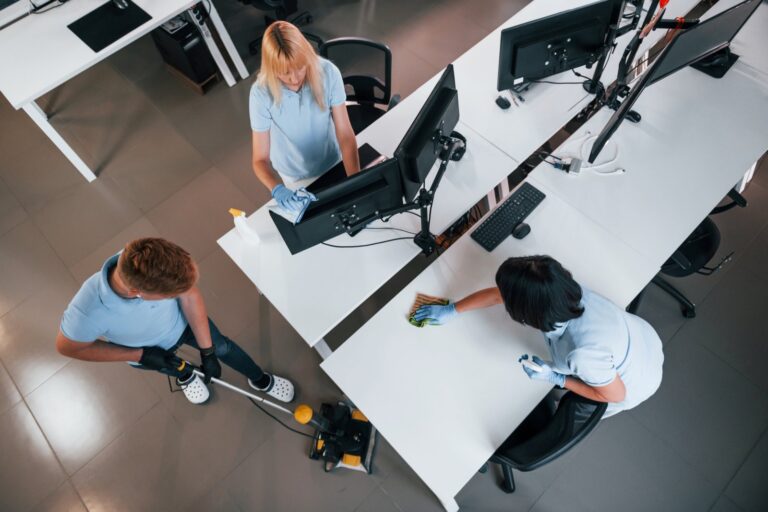
Sustainable Office Cleaning Starts With Cleaner Air
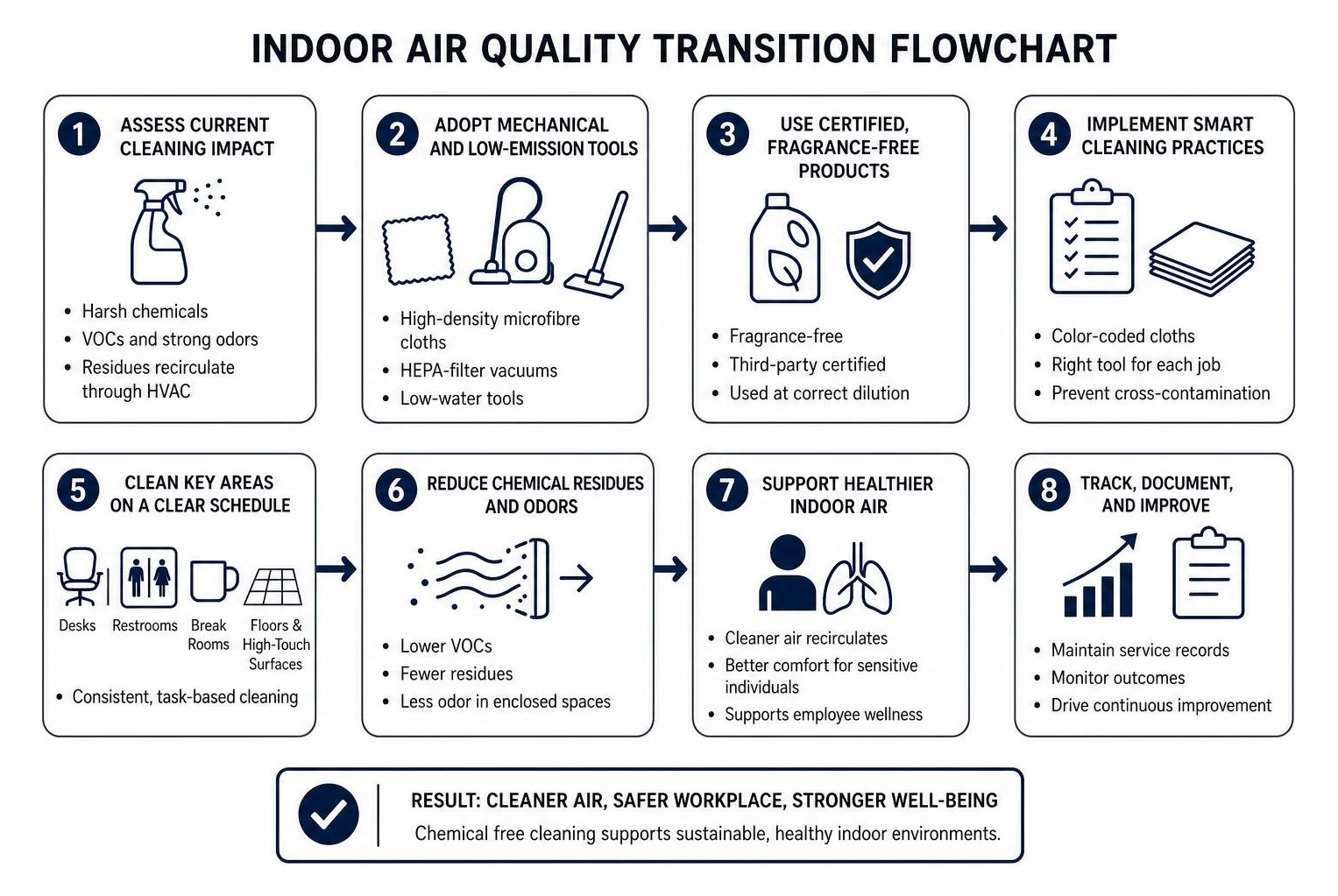
To adopt chemical free office cleaning, start with methods that remove soil mechanically and reduce unnecessary fumes: use high-density microfibre cloths, HEPA-filter vacuums, low-water tools, and fragrance-free, third-party-certified products where a cleaner or disinfectant is required. Build these methods into a clear schedule for desks, restrooms, break rooms, floors, and high-touch surfaces.
This approach can help reduce chemical residues and odors in enclosed workplaces, where indoor air is often recirculated through HVAC systems. It also supports a safer experience for employees and visitors who may be sensitive to strong fragrances or cleaning sprays.
Sustainable cleaning is not about doing less. It is about choosing the right tool for each job, using products at the correct dilution, preventing cross-contamination with color-coded cloths, and keeping service records that support workplace wellness and sustainability goals.
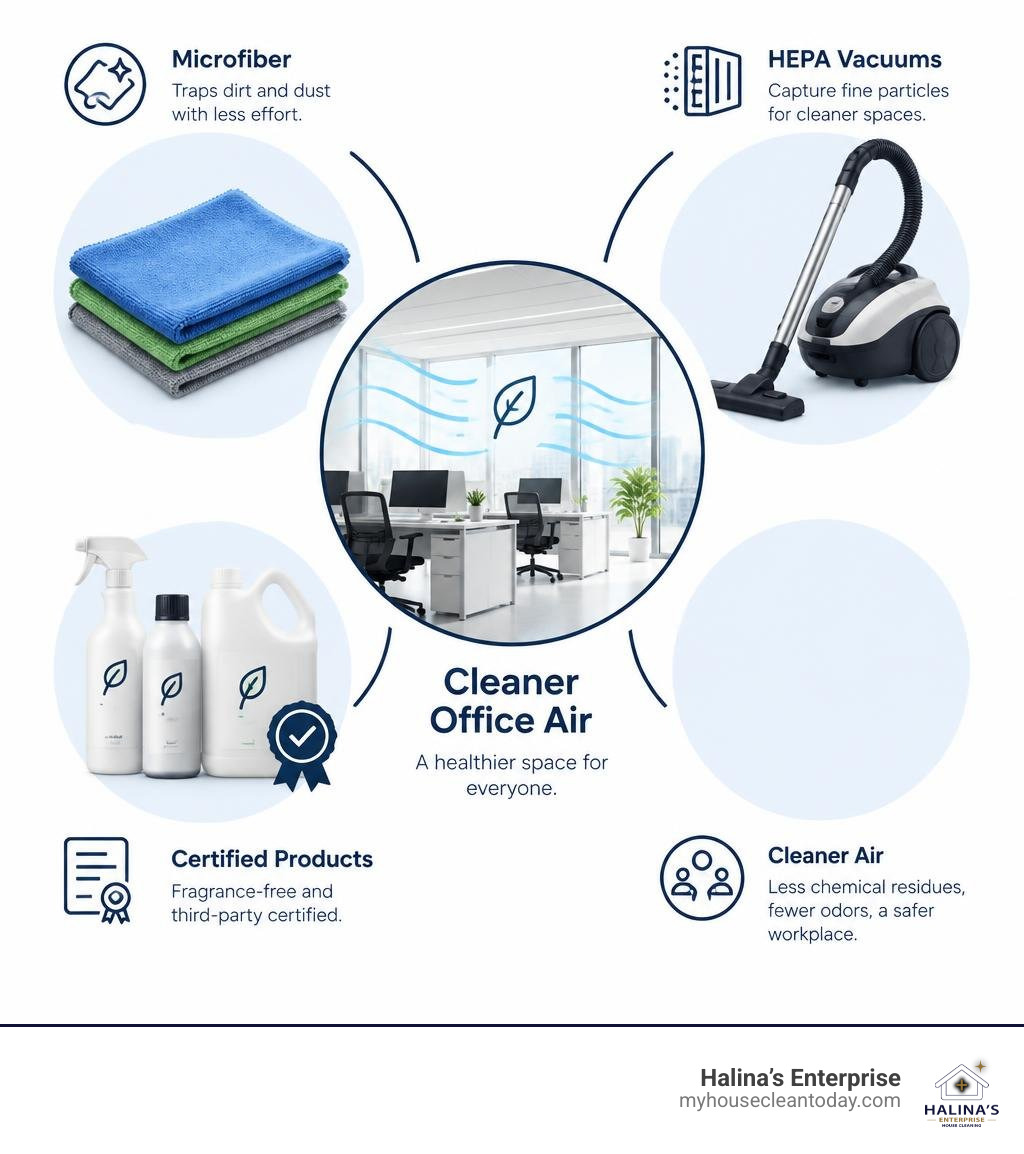
Simple chemical free office cleaning glossary:
- best office cleaning companies
- commercial cleaning companies near me
- commercial carpet cleaning companies near me
The Science Behind Chemical Free Office Cleaning and Indoor Air Quality
Modern commercial buildings are designed for energy efficiency, which means tightly sealed envelopes and closed ventilation loops. While this architecture keeps heating and cooling costs down, it also traps airborne contaminants. When conventional janitorial teams clean an office using harsh solvents, synthetic pine scents, or chlorine-based sanitizers, those chemicals do not simply vanish. Instead, they release volatile organic compounds (VOCs) that circulate through heating, ventilation, and air conditioning (HVAC) systems for hours or days.
Indoor air quality research demonstrates that enclosed workspaces often concentrate airborne irritants at levels two to five times higher than outdoor environments. Scientific studies, such as scientific research on clean air containment, emphasize that controlling particulate loads and chemical off-gassing at the source is the single most effective way to maintain healthy shared environments. When companies switch to professional commercial cleaning centered on low-emission practices, the reduction in airborne irritants is immediate.
| Cleaning Factor | Conventional Cleaning Chemical Systems | Sustainable Alternatives & Mechanical Methods |
|---|---|---|
| Active Ingredients | Bleach, ammonia, synthetic quats, petroleum solvents | Electrically activated water, colloidal plant micelles, probiotics |
| Air Quality Impact | High VOC off-gassing, lingering synthetic fragrances | Zero to ultra-low VOCs, completely fragrance-free |
| Surface Residue | Leaves chemical films that attract fresh dust and soil | Leaves zero sticky residue; maintains natural surface finish |
| Indoor Envelopes | Strains HVAC filters, recirculates hazardous fumes | Maintains clean air circulation throughout sealed workspaces |
| Health Risks | Mucous membrane irritation, headaches, contact dermatitis | Non-toxic, hypoallergenic, neutral skin and eye profiles |
Why Chemical Free Office Cleaning Protects Employee Health
No one does their best work while battling a chemical headache or itchy eyes. Many office workers suffer from undiagnosed environmental sensitivities triggered by aerosolized cleaning agents and artificial masking scents. Conventional cleaners containing quats, phenols, or synthetic fragrances can trigger occupational asthma, aggravate existing allergies, and cause contact dermatitis on shared desk surfaces.
Transitioning to fragrance-free protocols and eco-friendly cleaning products safe for sensitive occupants transforms workplace wellness. By replacing aggressive formulas with gentle, plant-derived cleansers, facilities eliminate the harsh fumes that cause afternoon fatigue and sensory discomfort. Employees breathe easy, and businesses benefit from a noticeable drop in short-term sick leave.
Key Technologies Powering Chemical Free Office Cleaning
Moving away from synthetic chemicals does not mean relying on plain tap water and good wishes. Modern sustainable sanitation is driven by advanced chemical engineering and physical cleaning science:
- Electrically Activated Water (ECA): Passing a mild electrical current through water and natural minerals creates a safe, highly effective sanitizing solution that breaks down oils and neutralizes pathogens without chemical residues.
- Colloidal Micelle Action: Plant-based concentrates utilize colloidal micelle particles that penetrate grease and break it down into biodegradable components on a microscopic scale.
- Probiotic Surface Treatments: Formulations infused with beneficial bacteria continuously consume microscopic organic soils and outcompete harmful microbes on high-touch surfaces for up to 5 days after service.
- HEPA-Filtered Vacuums: True HEPA filtration traps 99.97% of airborne dust, pollen, and fine particulates down to 0.3 microns, preventing recirculated exhaust from polluting office air.
- High-Density Microfibre: Engineered split fibers mechanically capture bacteria, dirt, and allergens, lifting them off surfaces rather than smearing them around.
Core Sustainable Cleaning Practices for Commercial Facilities
Implementing sustainable sanitation requires a structured approach to daily tasks. When handling corporate office cleaning, janitorial crews must focus on hygiene workflows that isolate cross-contamination risks while using minimal chemical volumes.
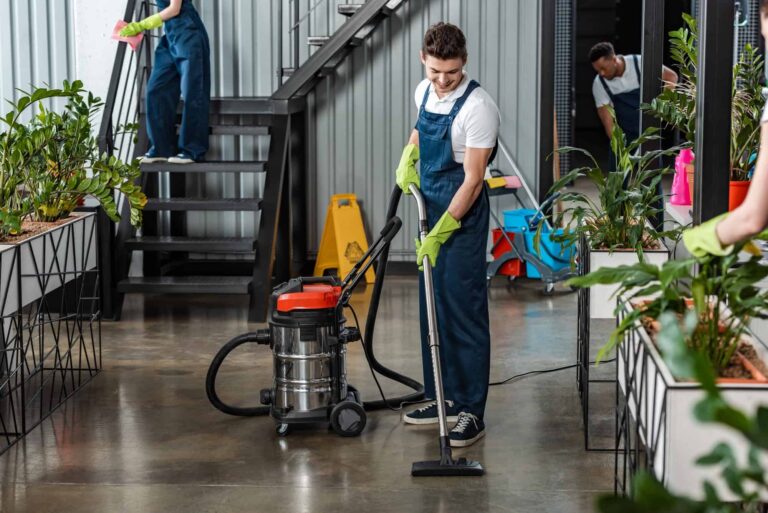
To maintain consistent standards across large commercial spaces, professional teams follow a disciplined, non-toxic sanitization workflow:
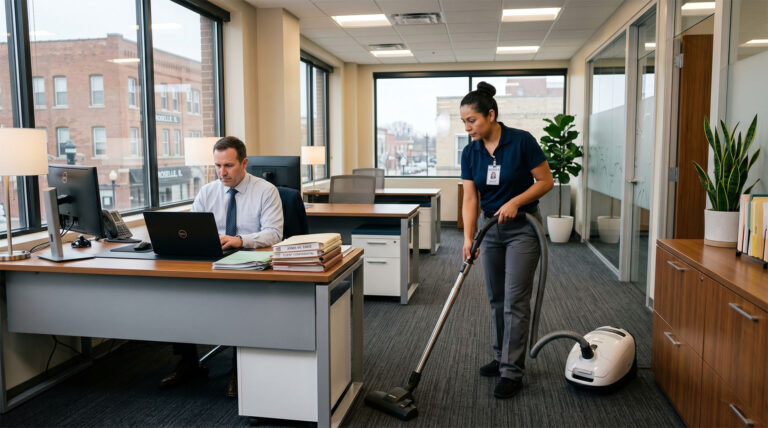
- Dry Soil Extraction: Vacuum all carpeted zones and hard flooring using HEPA-equipped filtration systems to capture loose particulate matter before damp cleaning.
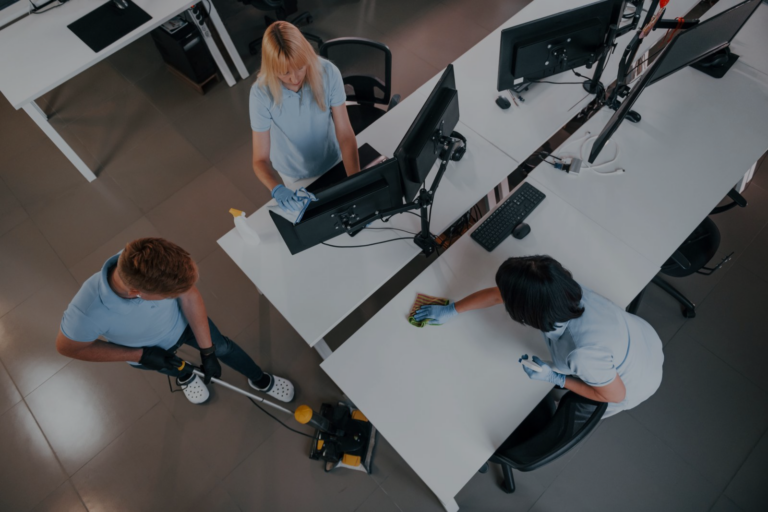
- Targeted Mechanical Wiping: Clean common touchpoints (door handles, light switches, elevator buttons) using damp, ultra-fine microfibre cloths to remove 99% of surface soil without spray aerosols.
- Controlled Dilution Application: When certified cleaning solutions are required for kitchenettes or restrooms, use closed-loop dilution systems to ensure exact ratios and prevent chemical waste.
- Residue-Free Glass and Surface Polishing: Clean interior glass partitions and polished desks with pure deionized or electrically activated water, leaving zero streaky film.
- Restroom Deep Hygiene: Apply biodegradable, low-pH plant extracts and steam equipment to eliminate mineral deposits, grime, and odor-causing bacteria naturally.
Third-Party Green Certifications and Standards
To avoid the trap of “greenwashing,” facility managers should look for independent third-party certifications rather than vague label claims. Reliable programs adhere to rigorous international benchmarks:
- UL ECOLOGO: An ISO 14024 Type I ecolabel administered by UL Solutions, verifying that products meet strict environmental performance metrics throughout their lifecycle.
- Green Seal GS-42: A premier standard that certifies the entire commercial cleaning service, requiring structured building plans, documented technician training, and strict product safety.
- LEED O+M Compliance: Sustainable cleaning directly satisfies credits in the Leadership in Energy and Environmental Design (LEED) for Operations and Maintenance framework.
- Cruelty-Free Verifications: Standards such as Leaping Bunny ensure that cleaning formulations are developed without animal testing.
Mechanical Dirt Removal vs Synthetic Detergents
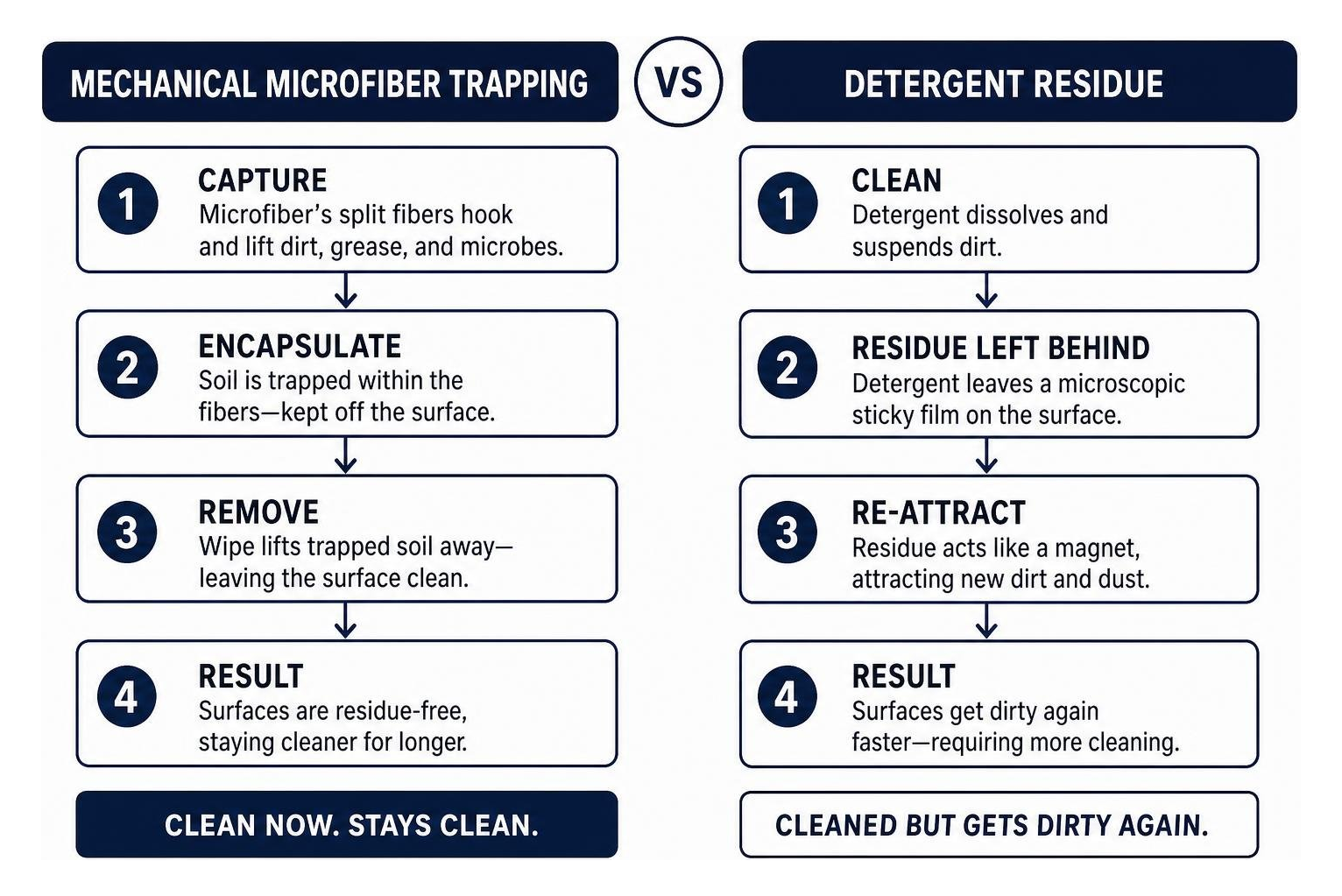
Traditional cleaning relies on synthetic detergents to emulsify grease. However, detergents often leave a microscopic sticky film that acts like a magnet for fresh dirt. Mechanical cleaning replaces this chemical cycle with physics.
High-density split-fiber microfibre cloths feature millions of microscopic hooks that physically trap dirt, grease, and microbes. Using microfibre technology can reduce overall chemical usage by up to 95% compared with conventional mops and cotton rags. When combined with targeted high-temperature dry steam, mechanical cleaning lifts stubborn buildup, sanitizes hard surfaces instantly, and extends the lifespan of office furnishings.
Step-by-Step Implementation Strategy for Facility Managers
Transitioning a commercial facility to sustainable cleaning methods requires clear planning and clear communication.

A smooth implementation roadmap includes the following steps:
- Conduct a Chemical and Waste Audit: Inventory every cleaning chemical currently stored in janitorial closets. Identify products with high VOC ratings, synthetic fragrances, or corrosive warnings.
- Upgrade Core Cleaning Hardware: Replace standard vacuums with sealed HEPA models and retire disposable paper towels in favor of reusable, high-grade microfibre wiping systems.
- Establish a Phased Cleaning Schedule: Deploy a structured practical office cleaning schedule template that outlines daily tasks, weekly deep cleans, and monthly detail zones.
- Document Standard Operating Procedures: Provide clear checklists for daily operations, such as our comprehensive Chicagoland office cleaning checklist, to maintain accountability across all shifts.
- Engage and Educate Building Occupants: Let your staff know about the transition. Highlighting the elimination of toxic chemicals reassures sensitive workers and reinforces your organization’s commitment to wellness.
Training Cleaning Crews for Sustainable Protocols
Sustainable cleaning requires skilled technicians who understand how equipment and solutions work together. Training programs must emphasize:
- Color-Coded Cloth Management: Dedicate specific cloth colors to specific zones (e.g., red for restroom commodes, yellow for break rooms, blue for general desks) to eliminate cross-contamination.
- Eight-Sided Cloth Folding: Fold each microfibre cloth into quarters, creating eight fresh cleaning faces per cloth to prevent spreading soil from one workstation to another.
- Dwell Time Management: When using botanical or registered non-toxic disinfectants, ensure the surface stays visibly wet for the full manufacturer-recommended dwell time to ensure complete pathogen reduction.
Facility leaders should prepare targeted questions before hiring; consult our guide on key questions every facility manager must ask cleaning crews for detailed evaluation criteria.
Selecting the Right Green Commercial Cleaning Partner
Choosing a commercial cleaning partner requires due diligence. Building managers must verify insurance coverage, bonding, and proven experience in sustainable sanitation practices. When evaluating providers, prioritize teams that supply clear safety data sheets, use certified non-toxic solutions, and demonstrate verifiable staff training programs.
Whether you need local office cleaning in Des Plaines IL, ongoing services in Schaumburg, IL, or support anywhere in the greater Chicagoland area, partnering with an experienced service ensures consistent results. Review our guide on choosing the best office cleaning service to match your facility’s exact operational requirements.
Frequently Asked Questions About Non-Toxic Janitorial Programs
Can sustainable cleaning methods match conventional disinfection standards?
Yes. Modern botanical and non-toxic disinfectants are registered with regulatory bodies (such as the EPA) and carry validated efficacy claims against common bacteria, viruses, and fungi. By respecting proper dwell times and combining registered sanitizers with high-temperature steam and split microfibre removal, sustainable programs deliver hospital-grade sanitation without releasing toxic chlorine or quat fumes into shared office spaces.
Does transitioning to sustainable cleaning increase commercial operating costs?
No. While specialized equipment like HEPA vacuums or steam systems involves an initial investment, the ongoing operating costs are comparable to or lower than conventional methods. Concentrated plant-based cleansers yield large volumes of ready-to-use solution at pennies per ounce, while durable microfibre mops and cloths replace thousands of single-use disposable wipes and paper towels each year.
How does non-toxic cleaning support LEED and ESG reporting?
Adopting certified non-toxic janitorial practices directly contributes to LEED Operations and Maintenance (O+M) points under the Indoor Environmental Quality category. Furthermore, using third-party-certified products with biodegradable ingredients and minimal packaging provides clear documentation for Environmental, Social, and Governance (ESG) sustainability reports.
Conclusion: Elevating Workplace Health and Environmental Responsibility
A clean office should never come at the expense of healthy indoor air. By eliminating hazardous VOCs, synthetic masking agents, and harsh chemical residues, businesses create an environment where staff can thrive, collaborate, and stay productive.
At Halina’s Enterprise, we bring more than 30 years of cleaning experience to commercial and residential properties across Roselle, IL, Schaumburg, IL, Elk Grove Village, IL, Downers Grove, IL, Chicago, IL, and communities throughout Chicagoland. As a fully insured and bonded company honored with industry recognition like the Angi Super Service Award, our team uses safe, non-toxic products, customizable schedules, and proven mechanical cleaning methods to safeguard your workplace.
Ready to improve your facility’s indoor air quality? Explore our comprehensive commercial cleaning services today to request a tailored green cleaning plan for your workplace.